

Preparing for Exams: Key Considerations for Financial Institutions
Supervisory exams may follow a familiar cycle, but they are rarely routine. Each review reflects evolving regulatory priorities, shifting risk expectations, and closer scrutiny of how financial institutions manage compliance, operations, cybersecurity, and consumer protection. Preparation today is not a short-term project. It is embedded in daily governance and

Mergers & Acquisitions in the Financial Sector: Navigating Growth Opportunities
Mergers and acquisitions remain a practical growth strategy for financial institutions seeking to expand capabilities, improve operational efficiency, or strengthen their competitive position. Increasing regulatory demands, rising technology costs, and ongoing talent pressures have led many financial institutions to reconsider whether organic growth alone is su

FDIC Finalizes Amendments to Official Signs and Advertising Requirements
On January 22, 2026, the FDIC Board approved a final rule amending its official sign and advertising requirements. The updates reflect how customers interact with financial institutions today. Digital banking, mobile applications, and evolving marketing practices prompted the agency to clarify how insured status must be communicated across platforms. For financ
AML/CFT Compliance in 2026: Staying Ahead of Emerging Threats
As financial crimes grow more sophisticated, financial institutions are entering 2026 under heightened scrutiny around Anti-Money Laundering/Countering the Financing of Terrorism (AML/CFT) compliance. Examiners expect stronger oversight, reliable data, and a clearly defined risk-based approach to identifying unusual activity. For many financial institutions, th
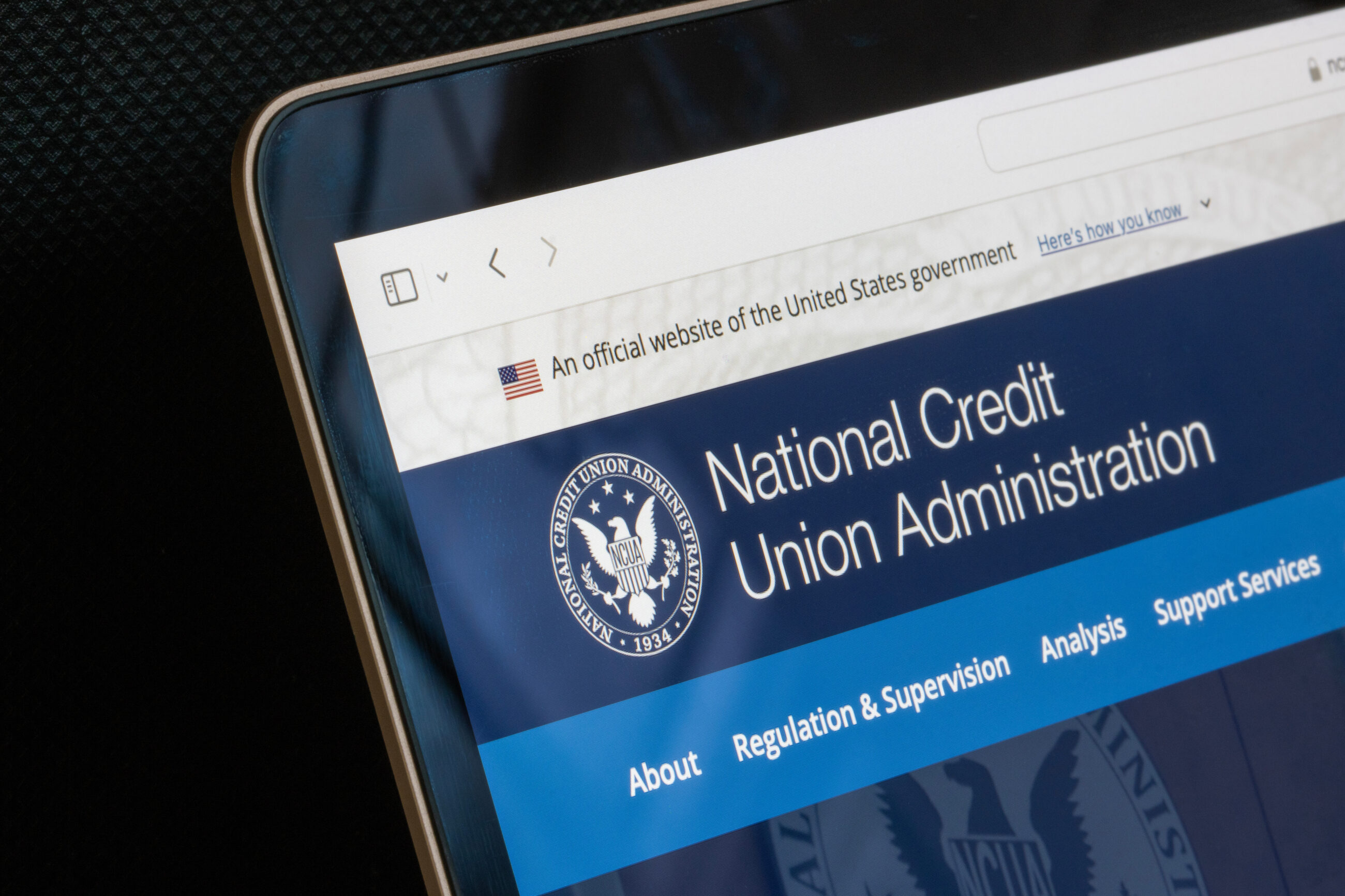
NCUA’s 2026 Supervisory Priorities: What Credit Unions Should Be Watching Now
The National Credit Union Administration has released its 2026 Supervisory Priorities Letter, giving federally insured credit unions an early look at where examiner attention is likely to focus in the year ahead. For boards, executives, and risk leaders, this annual guidance is less about compliance checklists and more about understanding how supervisory expect

Navigating the Regulatory Maze: What’s Ahead for Financial Institutions
Financial institutions continue to operate in one of the most active regulatory environments in recent memory. As 2026 begins, institutions are preparing for updates that affect compliance expectations, reporting requirements, risk management practices, and examination priorities. For organizations balancing lean staffing models with increas

The Rise of Green Finance: Opportunities for Financial Institutions to Invest in Sustainability
Sustainability is shaping financial decision-making in new ways, and financial institutions across the country are taking note. As 2026 begins, demand for environmentally focused financing continues to grow, driven by customer expectations, evolving regulatory attention, and long-term economic opportunity. Green finance has moved beyond a niche initiative and i

Financial Fraud Prevention: Best Practices for 2026
Fraud risk continues to rise across the financial industry, and early 2026 is an important time for financial institutions to reexamine their prevention strategies. Criminal tactics are advancing quickly, technology is evolving, and regulatory expectations around cybersecurity, operational resilience, and risk management continue to intensify. Institu

Preparing for the 2026 Filing Season: Key Income Tax Considerations for Financial Institutions
Early-year tax planning is always important for financial institutions, but the 2026 filing season brings added complexity. Regulatory expectations continue to sharpen, the effects of 2025 transactions carry through to the return, and examination priorities from federal and state regulators increasingly intersect with tax reporting, documentation, and internal

Navigating Interest Rate Volatility: Strategies for 2026
After several years of unpredictable rate movements, community banks and credit unions are entering 2026 facing continued uncertainty. While inflation pressures have eased, the interest rate environment remains anything but stable. Margins are tighter, liquidity is in flux, and competition for deposits continues to shape the balance sheets of financia