

Risk Assessment in Business Transformation: Identifying and Managing Threats
Business transformation is often framed around growth, efficiency, or innovation. Yet behind every transformation initiative sits a less visible factor that can determine success or failure: risk. Whether an organization is implementing new systems, entering new markets, or reshaping its operating model, the ability to identify and manage threats early can prot

The Future of Dealership Marketing: Digital Strategies to Drive Sales
Auto dealerships are operating in a more competitive and data-driven environment than ever before. As vehicle inventory fluctuates, incentives shift, and consumer expectations continue to evolve; marketing can no longer function as a support role. It must directly contribute to revenue performance, margin protection, and inventory turnover. Forward-thinking dea

Zoning and Permitting Challenges: What Developers Need to Know
Across many markets, developers are seeing increased demand in sectors such as infrastructure, energy, data centers, and advanced manufacturing. National construction outlooks continue to point toward growth in these areas. Yet even when capital is available and project demand is strong, zoning and permitting hurdles can quietly derail timelines and strain proj

Transaction Structuring 101: Why Terms Matter on the Sell Side
When business owners approach a sale, the conversation often starts with valuation. What multiple can I achieve? What is my business worth? While price is important, experienced sellers quickly learn that transaction structure plays an equally significant role in determining how much value they ultimately realize. The terms of a deal influence risk, timing, tax

Tariffs and the Automotive Market: Key Implications for Dealerships in 2026
Tariffs have re‑established themselves as one of the most influential variables shaping the automotive retail environment in 2026. While policy decisions occur at the federal level, their downstream effects are increasingly evident across dealership pricing strategies, inventory composition, and consumer behavior. For dealership leadership, tariffs represent
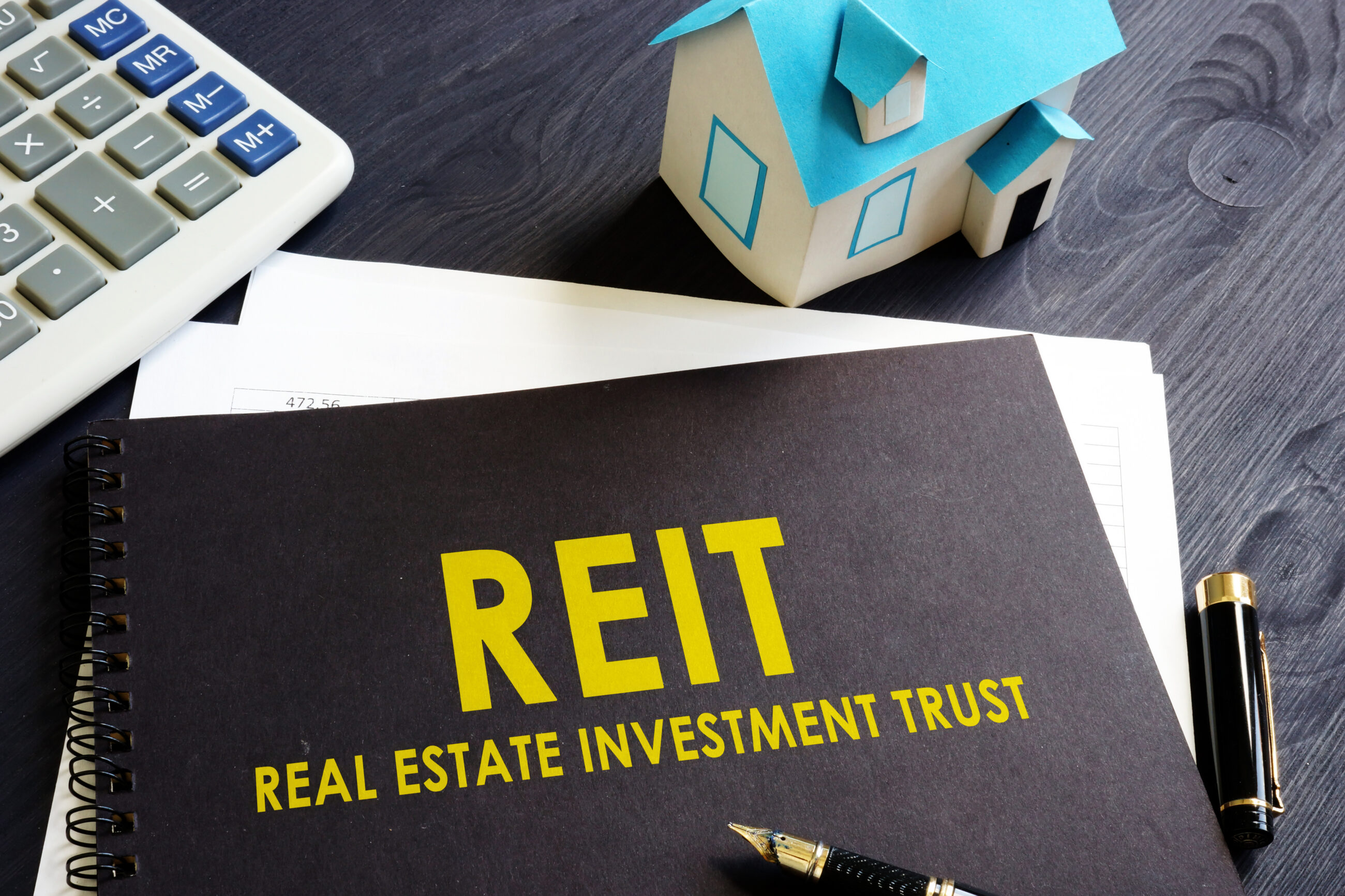
Real Estate Investment Trusts in 2026: Opportunities and Risks
Real Estate Investment Trusts (REITs) enter 2026 at a crossroads. After several years shaped by rising interest rates, shifting office demand, and evolving capital markets, investors are reassessing where real estate fits within a diversified portfolio. For many, REITs remain attractive for income generation and diversification. At the same time, sector-specifi

Working Capital Optimization: The Hidden Key to Business Success
Growth often gets the spotlight in strategic planning, yet many businesses find themselves constrained not by demand, but by cash. Revenue may be increasing, but if working capital is not managed with discipline, that growth can strain operations, limit flexibility, and reduce overall value. Working capital optimization is not simply a finance function. It is [

Q2 2026 Used‑Vehicle Market Advisory: Strengthening Trade‑In Strategy
As the automotive market continues to normalize in 2026, one reality has become increasingly clear: used‑vehicle performance is central to dealership profitability and stability. New‑vehicle margins remain compressed, affordability continues to shape buyer behavior, and competition for quality used inventory remains elevated across most markets. Within this

The Future of Modular Construction: Benefits and Market Trends
Modular construction is moving from niche strategy to mainstream delivery model. As contractors face ongoing labor constraints, material price volatility, and tighter project timelines, offsite fabrication offers a practical way to control variables that have become increasingly difficult to manage in the field. At the same time, several high-growth constructio

Business Valuation in 2026: Why Updated Assessments Matter for Growth
In 2026, business leaders are operating in an environment defined by shifting market conditions, evolving capital strategies, and increasing pressure to make precise decisions. Growth is no longer driven by scale alone. It is shaped by how effectively organizations allocate capital, manage risk, and execute strategy. An updated business valuation has become mor