

Risk Assessment in Business Transformation: Identifying and Managing Threats
Business transformation is often framed around growth, efficiency, or innovation. Yet behind every transformation initiative sits a less visible factor that can determine success or failure: risk. Whether an organization is implementing new systems, entering new markets, or reshaping its operating model, the ability to identify and manage threats early can protect both performance and long-term value.
Transformation does not create risk. It reveals it.
Where Risk Surfaces First
Many transformation efforts begin with a clear objective, such as improving margins or scaling operations. However, risk tends to emerge in the gaps between strategy and execution.
Operational disruption is one of the most immediate concerns. Changes to systems, processes, or leadership structures can slow decision making or create inconsistencies in how work gets done. What appears efficient in planning can create friction in practice.
Financial risk also increases during transformation. Investments in technology, hiring, or expansion often occur before the expected returns are realized. Without clear visibility into cash flow, working capital, and performance metrics, organizations can find themselves overextended at the wrong time.
These challenges are not unusual. Many businesses already face margin pressure, cost volatility, and resource constraints before transformation begins. When change is layered on top, those pressures tend to intensify .
The Role of Structured Risk Assessment
A structured approach to risk assessment brings discipline to what can otherwise feel uncertain. It starts with asking practical questions. Where could execution break down? Which assumptions carry the most weight? What dependencies exist across teams, systems, or external partners?
This process is most effective when it moves beyond a checklist. Strong risk assessment connects directly to how the business operates. It considers culture, decision-making processes, and operational capacity, not just financial projections.
For example, a transformation initiative may look sound on paper but strain leadership bandwidth or expose gaps in internal capabilities. Similar to transaction planning, risks often stem from misalignment in strategy, culture, or processes rather than purely financial issues .
By identifying these factors early, leadership teams can adjust timelines, allocate resources more effectively, and avoid reactive decision making later.
Managing Risk Without Slowing Momentum
Risk management is not about avoiding change. It is about sequencing it.
Organizations that navigate transformation successfully tend to focus on visibility first. Clear reporting, reliable data, and defined accountability create a foundation for better decisions. From there, they prioritize initiatives that stabilize performance before pursuing more complex changes.
This approach aligns closely with broader value-focused planning. Visibility should come before optimization, and operational discipline should precede major investment. When that order is reversed, results often fall short of expectations .
Equally important is ongoing evaluation. Risk is not static. As transformation progresses, new challenges emerge while others diminish. Regular check-ins allow leadership to recalibrate without losing momentum.
Closing Thoughts
Transformation creates opportunity, but it also tests the strength of an organization’s foundation. A thoughtful approach to risk assessment helps leaders see where pressure may build and where adjustments are needed.
At Brady Martz, we work with businesses to bring structure and clarity to transformation efforts. From identifying key risks to aligning strategy with execution, our goal is to help organizations move forward with confidence and control.
Related Posts

Estate and Succession Planning: Why the 2026 Exemption Matters for Business Owners
For many business owners, estate and succession planning is closely tied to the value of the company they have spent years building. Ownership interests may represent a significant portion of personal wealth, which means changes in exemption amounts, business value, and transfer plans can all influence long-term planning conversations. The

Real Estate Technology in 2026: Tools to Drive Growth and Efficiency
Technology continues to transform the construction and real estate industries, and 2026 is shaping up to be a pivotal year. As developers, owners, and investors navigate rising costs, shifting tenant expectations, and operational complexity, technology is no longer optional, it is a strategic advantage. Across every stage of the real estate lifecycle, innovativ
Cash Flow Management for Construction Firms: Avoiding Common Pitfalls
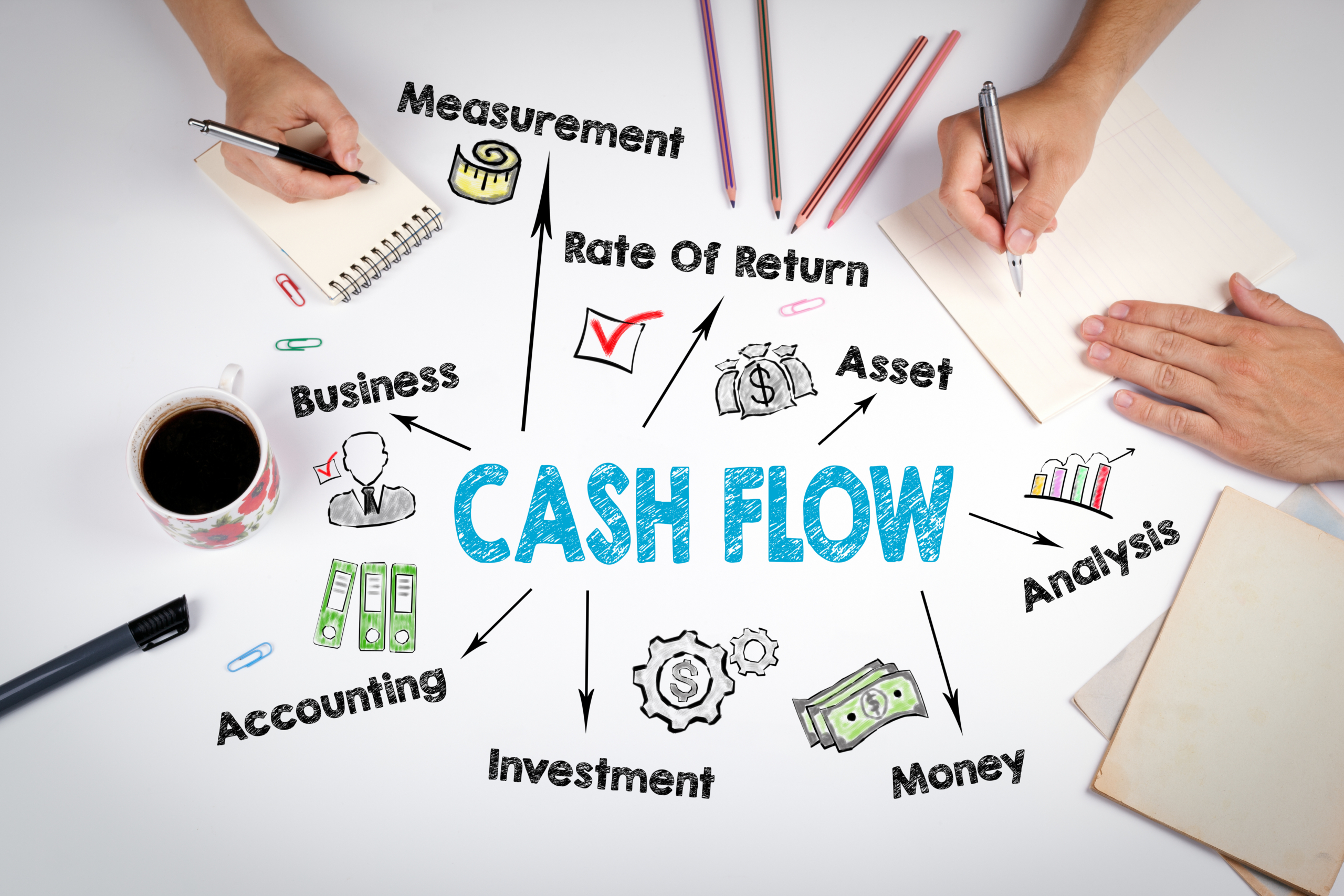
Managing cash flow is one of the biggest challenges construction firms face daily. With the complex nature of construction projects—where significant costs come upfront but payments often come later—maintaining steady cash flow is critical to keeping operations running smoothly and growing your business. Without effective cash flow management, even projec

Have You Defined What’s Next for Your Business?
Most business owners spend years focused on building their companies, yet very little time defining what comes next. Strategic ownership planning can be one of the most rewarding parts of running a business because it creates clarity and opens new possibilities for the future. Have you thought about what your ideal next chapter looks like?