
Internal Audit Outsourcing: A Strategic Approach to Risk and Compliance
Internal audit functions play a critical role in helping financial institutions manage risk, maintain compliance, and strengthen internal controls. As regulatory expectations evolve and operational complexity increases, many institutions are reassessing how this function is structured and delivered. For some, outsourcing or co-sourcing internal audit activities is becoming a practical and strategic consideration.
Rather than a one-size-fits-all decision, internal audit outsourcing often reflects broader goals around efficiency, expertise, and scalability.
How Internal Audit Outsourcing Provides Specialized Expertise
Internal audit responsibilities continue to expand, particularly in areas such as technology risk, cybersecurity, and regulatory compliance. Building and maintaining in-house expertise across all these areas can be challenging, especially for institutions with limited resources.
Outsourcing provides access to professionals with specialized knowledge and experience across a range of risk areas. This can enhance the depth and quality of audit procedures while helping institutions address emerging risks more effectively. It also allows internal teams to focus on core priorities while leveraging external insights where it is most valuable.
Enhancing Flexibility and Efficiency
Audit needs are rarely static. They shift based on regulatory changes, growth strategies, and evolving risk profiles. Outsourcing or co-sourcing arrangements can offer greater flexibility, allowing institutions to scale audit efforts up or down as needed.
This approach can also improve efficiency by aligning resources with specific audit cycles or high-risk areas, rather than maintaining a fixed internal structure year-round. For leadership teams, this flexibility can support more responsive planning and better allocation of internal resources.
Maintaining Independence and Strengthening Oversight
Independence is a foundational principle of effective internal audit. Outsourcing can reinforce this by providing an objective, third-party perspective on internal controls and risk management practices.
At the same time, governance and oversight remain critical. Institutions must ensure that outsourced audit functions are clearly defined, well-coordinated, and aligned with board and regulatory expectations. Clear communication, defined scopes, and ongoing collaboration between internal stakeholders and external providers help maintain accountability and transparency.
Moving Forward with a Thoughtful Approach
Internal audit outsourcing is not solely about cost considerations. It is about aligning the audit function with the institution’s risk profile, operational complexity, and long-term strategy.
Brady Martz professionals work with financial institutions to evaluate internal audit structures, identify opportunities for co-sourcing or outsourcing, and strengthen overall audit effectiveness. These conversations can help leadership teams determine the right approach for their organization.
Related Posts
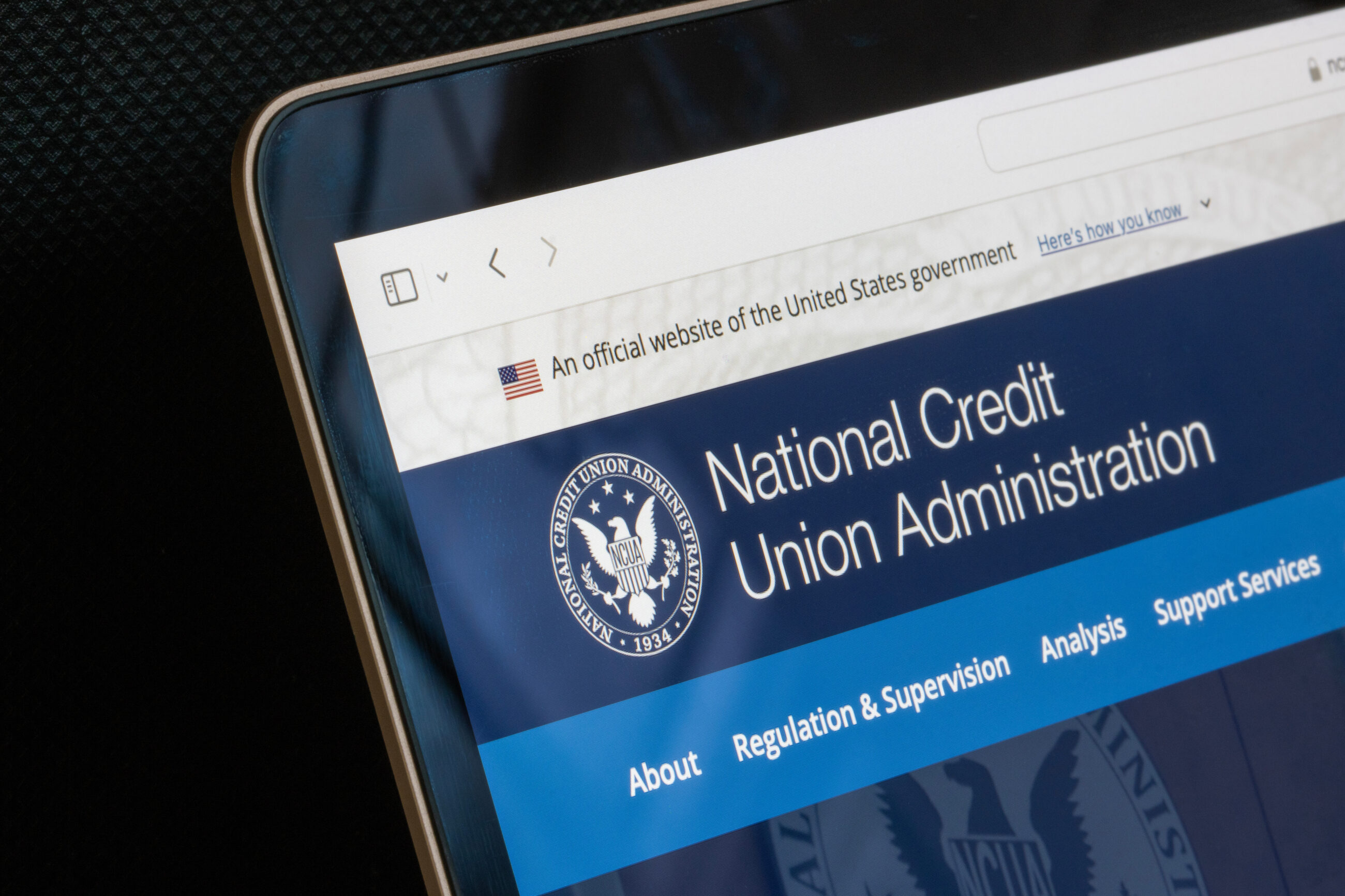
NCUA’s 2026 Supervisory Priorities: What Credit Unions Should Be Watching Now
The National Credit Union Administration has released its 2026 Supervisory Priorities Letter, giving federally insured credit unions an early look at where examiner attention is likely to focus in the year ahead. For boards, executives, and risk leaders, this annual guidance is less about compliance checklists and more about understanding how supervisory expect

Managing Interest Rate Risk: Financial Institutions’ Strategy Guide
Interest rate fluctuations present significant challenges for financial institutions, impacting profitability, liquidity, and overall financial stability. As market conditions evolve, institutions must proactively manage interest rate risk (IRR) to protect assets and maintain regulatory compliance. This guide explores best practices for financial institutions l

Empowering Growth: Brady Martz’s Professional Development and Excellence Academy
At Brady Martz, we are deeply committed to the professional growth of our financial institutions’ clients. As part of this commitment, we’ve launched The Brady Martz Professional Development and Excellence Academy, a formal mentorship program designed to help financial institution employees thrive in their current roles and build the skills necessary to tak

Risk Assessments – Not a One and Done
In today’s ever-changing business environment, organizations face new challenges daily, from evolving market conditions to emerging cybersecurity threats. As a result, the concept of risk assessment has become more critical than ever. However, many companies make the mistake of viewing risk assessments as a one-time task instead of an ongoing, strategic proce