


Reducing the Impact of Construction Delays on Cost and Schedule
Construction delays are rarely caused by one event. More often, it’s a combination of weather, labor availability, permitting slowdowns, or supply issues that push timelines out. When that happens, the budget often moves with it. Contractors and developers who prepare for these disruptions early tend to be in a stronger position to manage rising costs [&helli

Cost Segregation in 2026: What Real Estate Owners Should Review Before Their Next Project
Cost segregation continues to be a valuable planning tool for real estate investors, and 2026 brings a mix of opportunity and caution. As projects grow more complex and interest rates remain unpredictable, many owners are paying closer attention to how depreciation timing affects cash flow. A well-executed cost segregation study can identify shorter lived asset

Collaborative Real Estate Ventures: Tax Considerations That Keep Projects on Track
Joint real estate deals are becoming more common as investors look for ways to share risk, pool resources, and move projects forward in a tighter financing environment. These arrangements can open doors, yet they also introduce tax questions that should be addressed early. A clear framework helps partners avoid missteps and gives each party a […]

Residential Construction Contracts Receive Meaningful Tax Relief Heading Into 2026
As contractors and real estate developers plan for 2026 and beyond, recent changes under the OBBBA deserve close attention. The updates significantly expand which residential construction projects can defer income recognition for tax purposes. For businesses operating on long build cycles, the result can be a substantial timing difference that improves cash f
Construction Claims & Disputes: How to Avoid Costly Setbacks
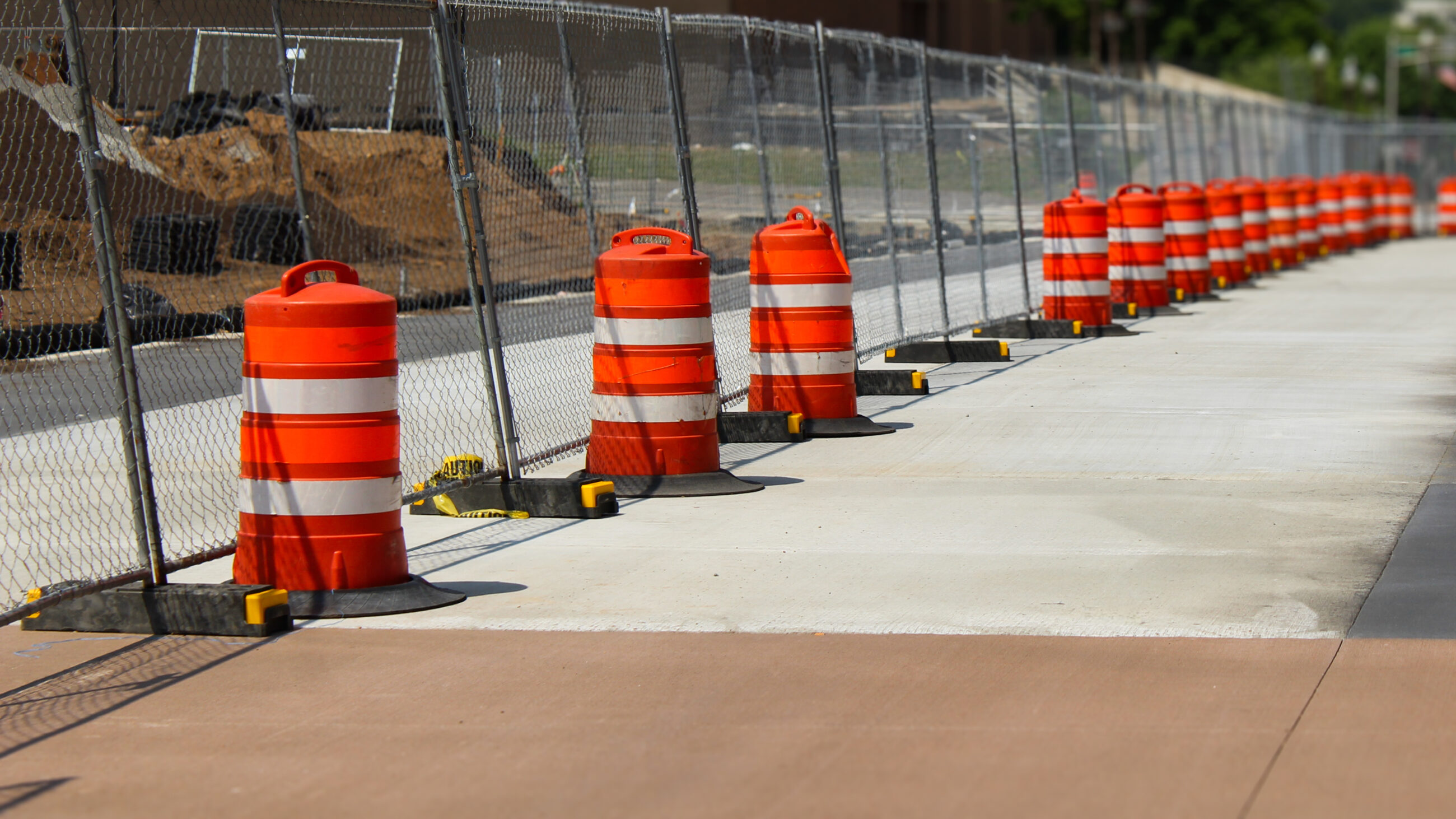
Claims and disputes are an unfortunate reality in the construction industry. Tight deadlines, complex contracts, fluctuating material costs, and multiple stakeholders often create the perfect environment for misunderstandings or disagreements. And when even minor issues escalate, the financial consequences can be significant, from project delays and legal fees

Real Estate Technology in 2026: Tools to Drive Growth and Efficiency
Technology continues to transform the construction and real estate industries, and 2026 is shaping up to be a pivotal year. As developers, owners, and investors navigate rising costs, shifting tenant expectations, and operational complexity, technology is no longer optional, it is a strategic advantage. Across every stage of the real estate lifecycle, innovativ

Surviving the Labor Shortage: Strategies for Attracting and Retaining Skilled Workers
The construction industry has long battled workforce challenges, but today’s labor shortage is hitting harder than ever. Skilled tradespeople are retiring faster than new workers enter the field, project demand continues to grow, and competition for talent spans far beyond construction alone. For contractors, developers, and specialty firms, staffing constrai

Commercial Real Estate Market Forecast: Key Trends for Q4 2025
As 2025 enters its final quarter, the commercial real estate (CRE) market continues to balance opportunity and uncertainty. High interest rates, evolving tenant demands, and shifting capital markets have created a landscape where agility and foresight matter more than ever. For developers, investors, and construction firms, understanding where the market is hea

The Future of Modular Construction: Benefits and Market Trends
Construction firms are constantly under pressure to deliver projects faster, control costs, and adapt to shifting labor and material challenges. Modular construction — the process of assembling building components in a factory setting before transporting them to the job site — is increasingly seen as a solution that addresses many of these demands. As

Real Estate Investment Trusts (REITs) in 2025: Opportunities and Risks
The real estate market is always evolving, and in 2025, Real Estate Investment Trusts (REITs) continue to play a significant role for investors, developers, and the broader construction industry. These investment vehicles — which allow individuals to pool money into real estate portfolios — can provide attractive returns and diversification. But like any in