

Auto Loan Interest Deduction: What the “One Big Beautiful Bill” Means for Car Buyers
Related Posts

Adapting to Industry Shifts: How Auto Dealerships Can Prepare for Changing Consumer Preferences
The automotive industry is constantly evolving, and as we move into 2025, dealerships must stay ahead of shifting consumer behaviors to remain competitive. From digital buying trends to increased demand for fuel efficiency and affordability, today’s dealerships need to adjust their strategies to meet changing customer expectations while maintaining profitabil

Headlights Newsletter – 4Q 2025
The latest issue of Headlights, a publication of the AutoCPA Group, is now available. Please click here to access the newsletter.

What the Big Beautiful Bill Means for Auto Dealerships and Their Owners
The recently passed One Big Beautiful Bill is already making waves across the automotive industry. If you’re an auto dealer or dealership owner, it’s important to understand how this legislation could shape your operations, strategy, and bottom line over the next several years. Here’s a breakdown of what matters most. Auto Loan Interest Deduct
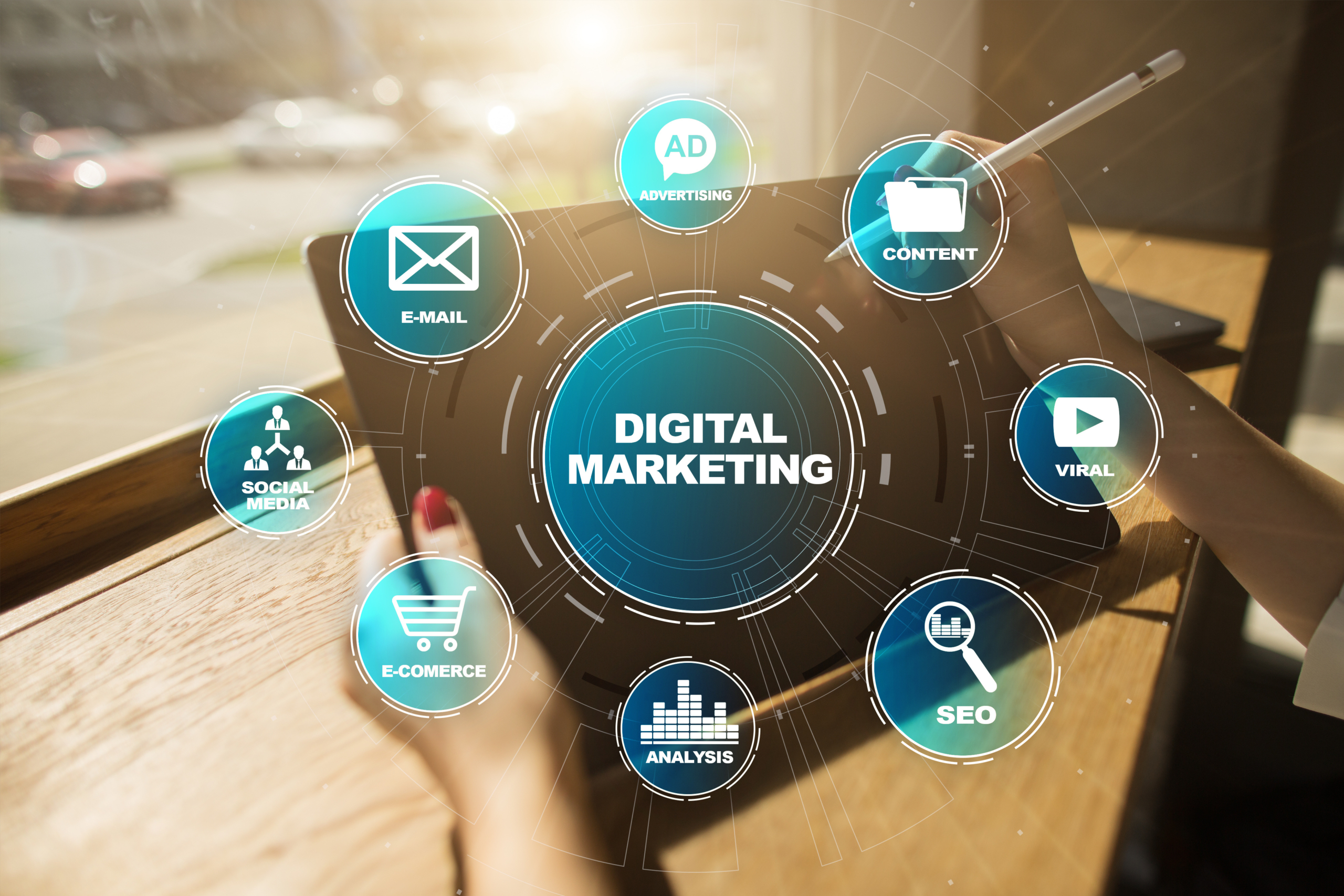
The Future of Dealership Marketing: Digital Strategies to Drive Sales
In 2025, marketing for auto dealerships is evolving at a rapid pace. With the increasing reliance on digital platforms and the ever-changing consumer behavior, dealerships must adapt their marketing strategies to stay competitive and drive sales. Traditional methods alone no longer suffice, and digital marketing is taking center stage in dealership success. In
Leave a Reply