


Navigating the Challenges of Mixed-Use Real Estate Developments
Mixed-use real estate developments—combining residential, commercial, retail, and sometimes even industrial spaces within a single project—are increasingly popular in today’s urban landscapes. These developments offer vibrant, walkable communities and diversified income streams, making them attractive to developers, investors, and municipalities alike.

Zoning and Permitting Challenges: What Real Estate Developers Need to Know
Real estate development is a complex process that extends far beyond acquiring land and constructing buildings. One of the critical early hurdles developers face is navigating zoning and permitting requirements, which can significantly impact project timelines, costs, and feasibility. Understanding zoning laws and securing the necessary permits are essential
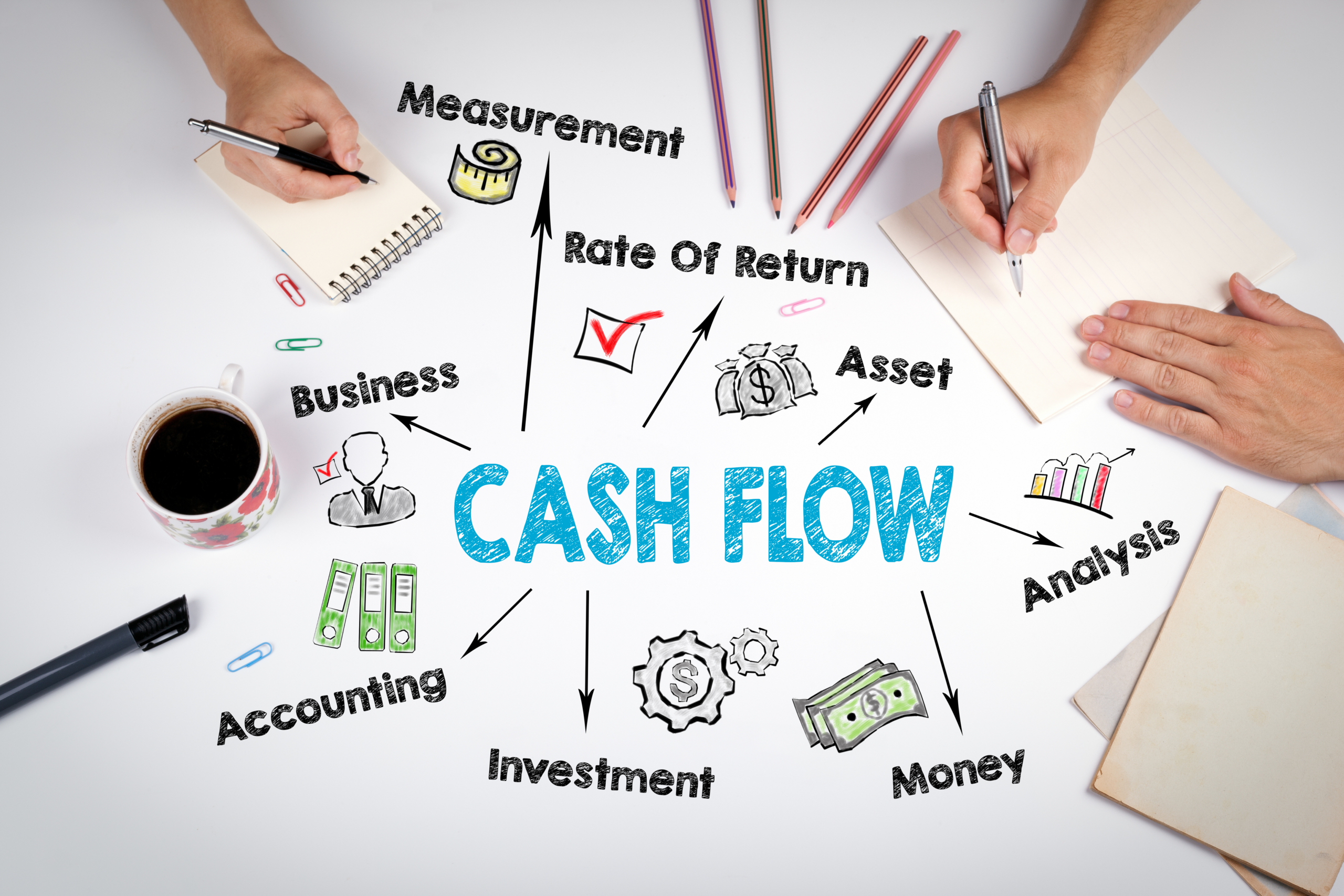
Cash Flow Management for Construction Firms: Avoiding Common Pitfalls
Managing cash flow is one of the biggest challenges construction firms face daily. With the complex nature of construction projects—where significant costs come upfront but payments often come later—maintaining steady cash flow is critical to keeping operations running smoothly and growing your business. Without effective cash flow management, even projec

Real Estate Tax Deferral Strategies: Making the Most of 1031 Exchanges
For real estate investors, one of the most powerful tools available to minimize taxes and maximize returns is the 1031 exchange. This strategy allows investors to defer capital gains taxes when selling a property and reinvesting the proceeds into a similar property. By leveraging 1031 exchanges, investors can preserve more capital for reinvestment, potentially
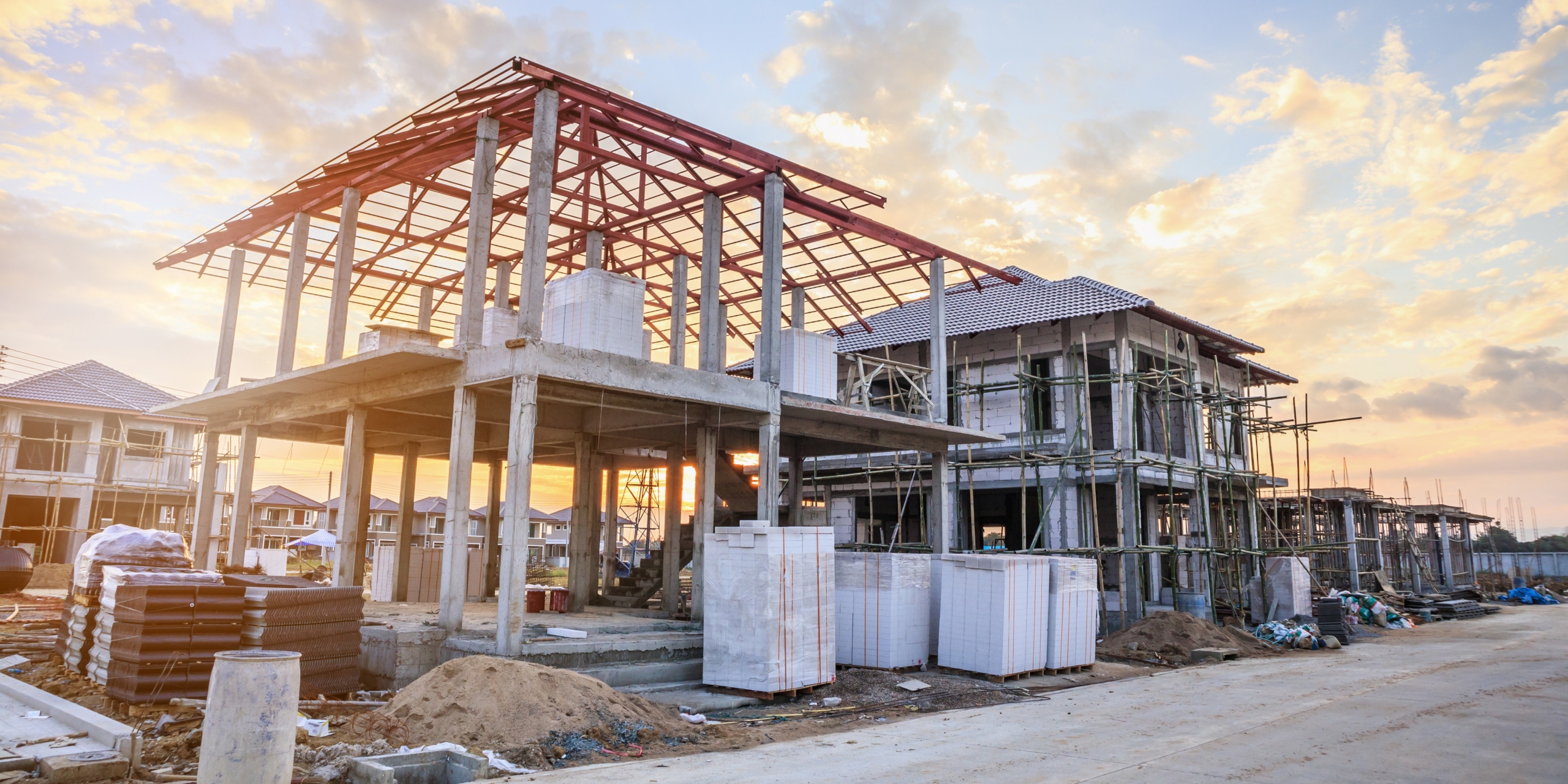
Managing Rising Material Costs: Budgeting and Forecasting for Contractors
Rising material costs have become one of the most significant challenges in the construction industry. From steel and lumber to concrete and insulation, contractors are grappling with price increases that impact project budgets and timelines. As supply chain disruptions and inflation continue to drive costs upward, contractors must adopt effective strategies fo

Sustainability Trends in Construction: Going Green to Boost Your Bottom Line
The construction industry is undergoing a significant transformation as sustainability becomes a top priority. As climate concerns grow, regulations become stricter, and consumer preferences shift toward environmentally friendly practices, the focus on “green” construction is more relevant than ever. Beyond the environmental benefits, adopting sustainable p

Cost Segregation: A Tax Strategy for Real Estate Investors
Real estate investors are always looking for ways to optimize their returns and minimize their tax liabilities. One of the most effective strategies for achieving this is cost segregation. Cost segregation allows investors to accelerate depreciation on certain property components, providing substantial tax savings in the short term. In this blog, we’ll expl

IRS Updates Guidance on 179D Tax Deduction: What You Need to Know
The Internal Revenue Service (IRS) has recently updated its Large Business & International (LB&I) Process Unit guidance on the Section 179D Energy Efficient Commercial Buildings Deduction. With the introduction of Form 7205 and increased IRS scrutiny, ensuring compliance and partnering with the right provider has never been more critical. Key Takeaway

Understanding New OSHA Regulations: Ensuring Compliance in Construction
In the ever-evolving construction industry, staying compliant with Occupational Safety and Health Administration (OSHA) regulations is essential. As we enter 2025, OSHA is introducing new regulations that will impact construction companies nationwide. These changes aim to improve worker safety, reduce accidents, and ensure that construction sites are adhering t

The Impact of Interest Rate Fluctuations on Real Estate Investments
Interest rates play a crucial role in shaping the landscape of real estate investments. As rates rise and fall, they directly affect property values, financing costs, and investor strategies. In 2025, as the economic environment continues to evolve, understanding the impact of interest rate fluctuations on real estate investments is more important than ever. In